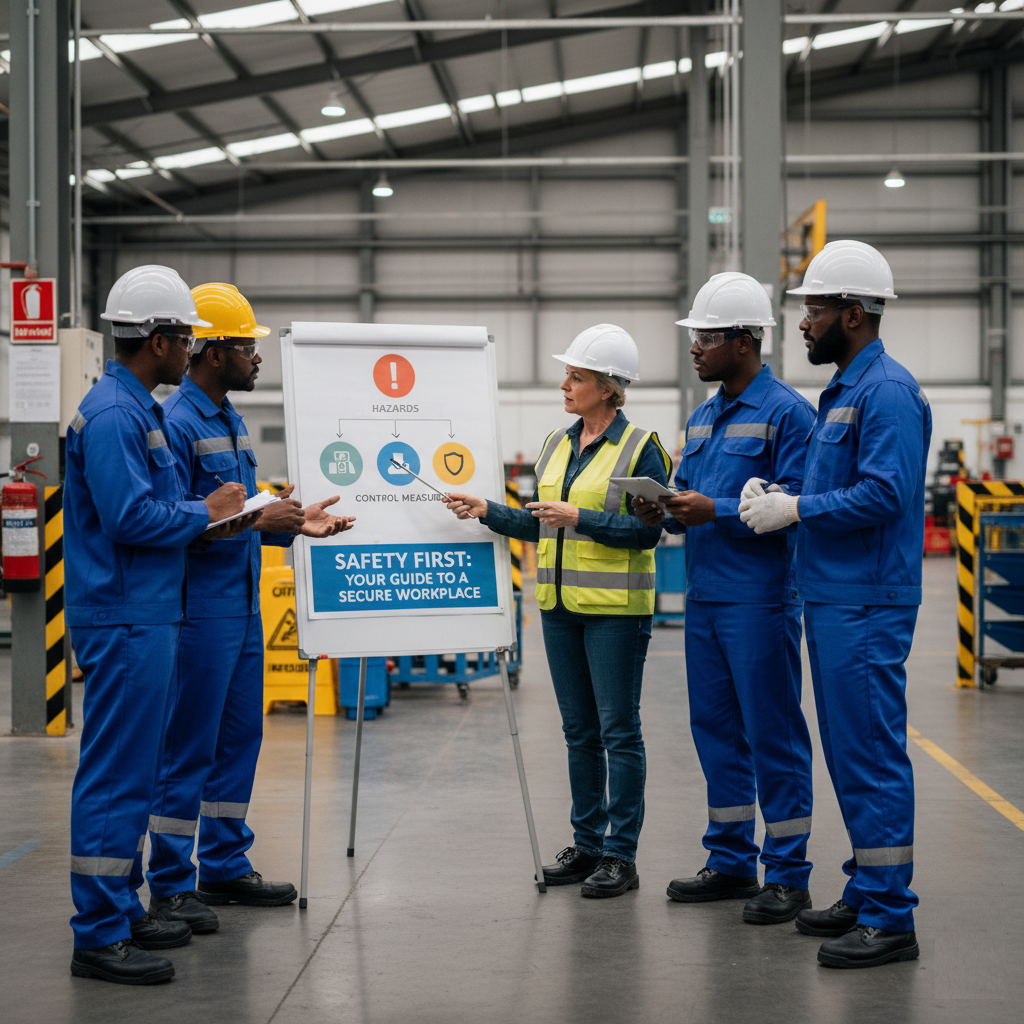
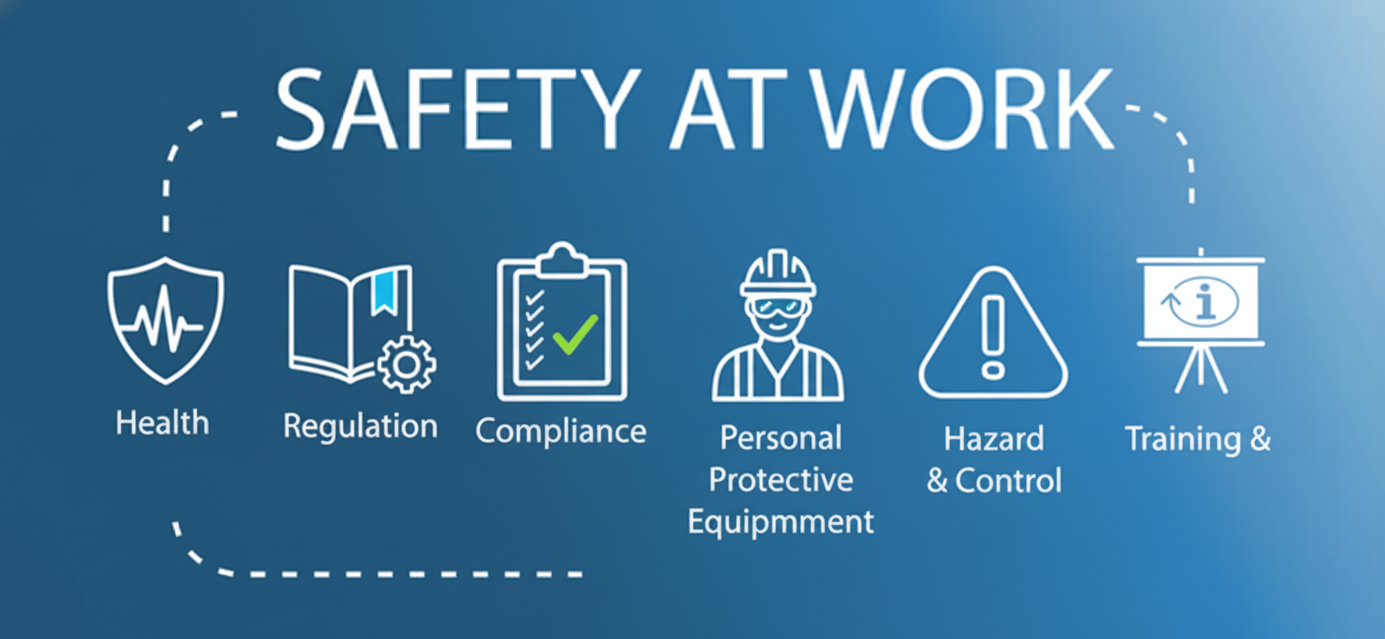
Safety training is a structured program designed to enhance the knowledge of employees about workplace hazards and equip them with the skills to prevent accidents, injuries, and health risks.
It is executed through tailored sessions that include awareness of potential dangers, safe operating practices, emergency response drills, and proper use of personal protective equipment.
It fundamentally establishes a culture of safety that protects employees, boosts morale and enhances the overall productivity. By reducing accidents and downtime, organizations save costs, meet legal obligations, and strengthen their reputation as responsible and employee-focused enterprises.
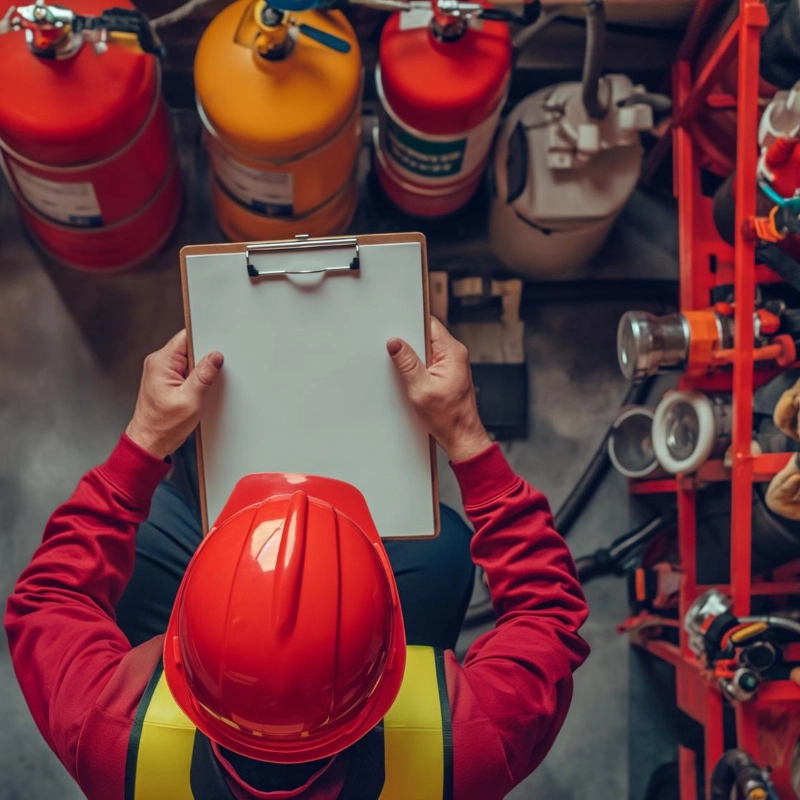
A safety audit is a structured and comprehensive review of an organization’s health and safety systems, designed to identify potential hazards, verify compliance with statutory requirements, and evaluate the effectiveness of existing safety measures. It is executed through a step-by-step process that includes defining the audit scope, reviewing safety documents, conducting on-site inspections, interviewing employees, and analysing risks before compiling a detailed report with corrective recommendations.
We consider that safety audits are crucial because they proactively identify system vulnerabilities, ensure adherence to safety standards, decrease accident rates and facilitate preparation for external audits and certifications simultaneously. Ultimately, it helps the organization to demonstrate responsibility, reliability, and a strong commitment to the health and safety of the employees.
PHA is a farsighted safety assessment technique used to identify potential hazards in a system, process, or facility at an early stage of design or operation.
It is executed by qualified team- defining system boundaries, reviewing layouts and processes, identifying possible hazards, estimating their frequency and consequences and ranking risks in a structured matrix.
By detecting hazards early, it reduces costly redesigns, ensures regulatory alignment, and strengthens operational safety.
Hazard Analysis is a structured technique used to identify and evaluate potential hazards in workplace tasks before they lead to accidents or disruptions.
It is executed by breaking down each job into steps, observing how it is performed, identifying possible hazards, analysing their causes and consequences, and then recommending control measures such as engineering solutions, protective equipment, or training.
It minimizes risks of injury, illness, or operational. By addressing hazards early, businesses save costs, improve efficiency, and foster a safer, more reliable work environment.
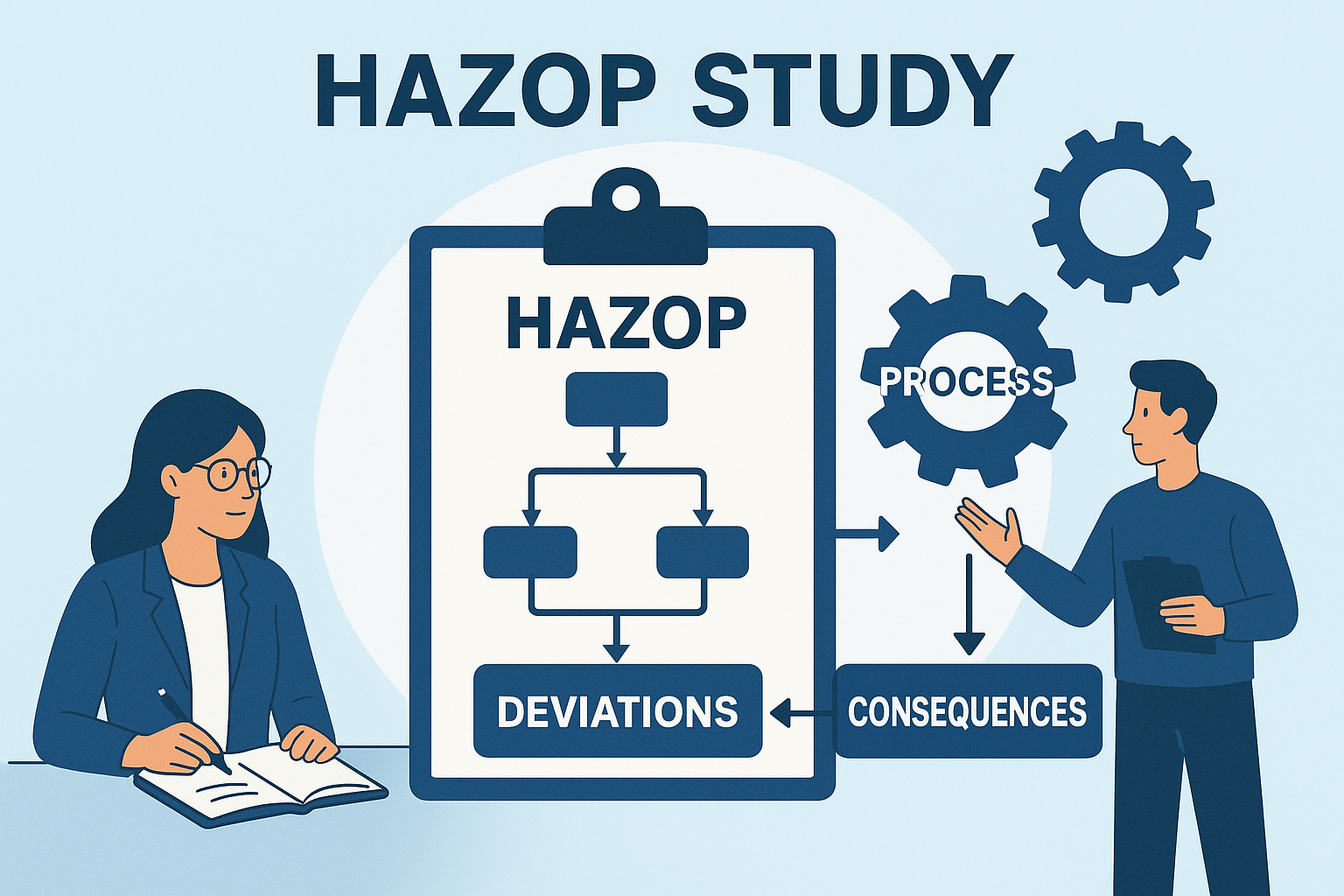
HAZOP is a globally recognized risk assessment technique used to systematically examine industrial processes and identify potential hazards of operational issues. It is executed by breaking a process into nodes, applying structured guide to process parameters, and brainstorming possible deviations from the design intent. A multidisciplinary team then evaluates causes, consequences, existing safeguards, and recommends corrective actions to minimize risks.
By uncovering hidden risks before they escalate, HAZOP reduces downtime, prevents costly accidents, and ensures regulatory alignment.
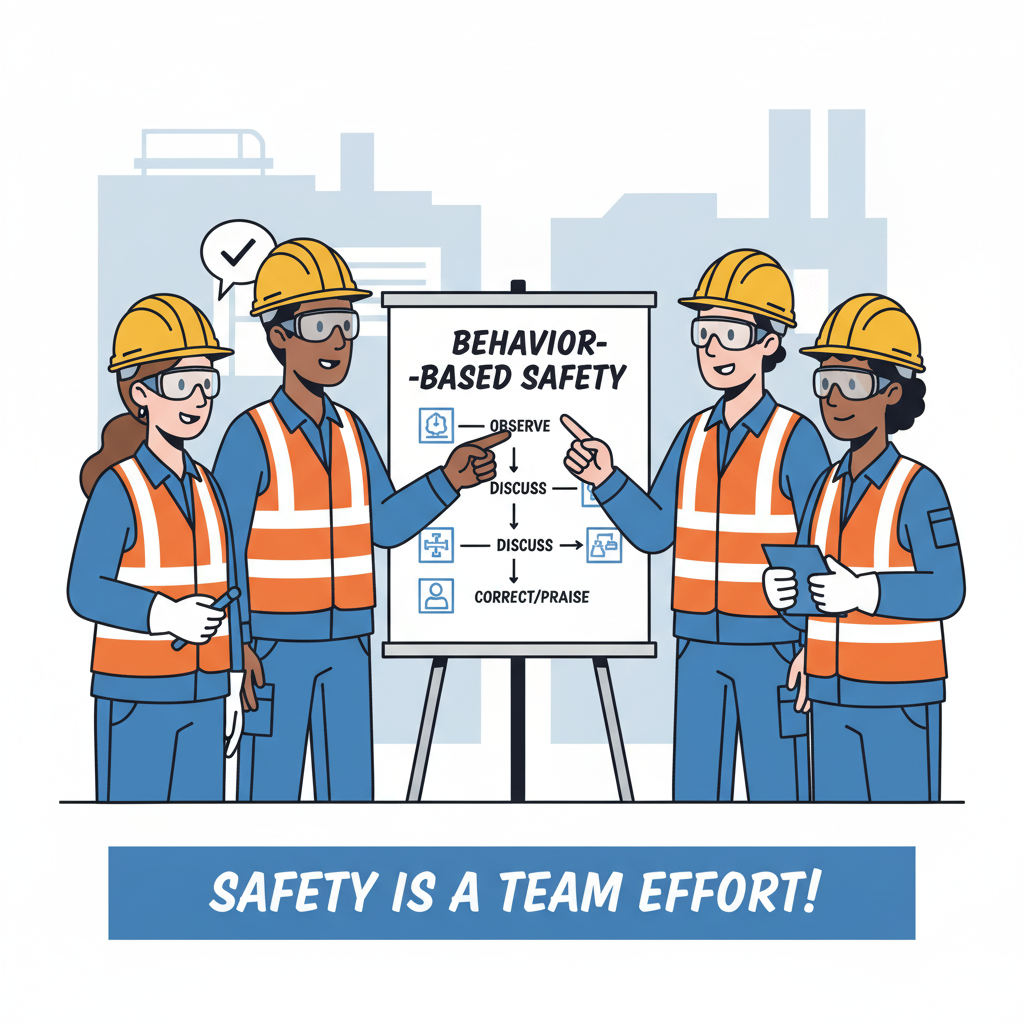
BBS is an approach to workplace safety that focuses on observing and improving employee behaviours, since unsafe actions are often the root cause of accidents.
By embedding safe behaviours into daily routines, organizations not only achieve compliance but also gain a competitive edge through improved efficiency, reduced downtime, and a reputation as a responsible and safety-driven enterprise.
Accident Investigation & Root Cause Analysis is a process designed to uncover not just what happened during an incident, but why it happened.
It is executed through systematic steps—gathering evidence, interviewing witnesses, analysing data, and applying proven techniques like the “Why-Why Analysis,” Fishbone Diagram or Fault Tree Analysis / Event tree Analysis to trace issues back to their true origin.
This approach ensures that organizations move beyond surface-level fixes and address the deeper systemic, human, or process-related causes that allowed the incident to occur.
Hazard Identification & Risk Assessment Study (HIRA)
HIRA used to identify potential hazards in the workplace, evaluate the risks associated with them, and implement effective control measures. The purpose of risk assessment study includes; identification and assessment of potential hazards & risks arising from the proposed activities connected to the manufacturing process that requires management to comply with regulatory requirements; and to reduce or eliminate to As Low As Reasonability Practical (ALARP) in terms of risk to environment, human health, risk of injury/damage to plant, equipment and business interruption.
Our safety experts are proficient in executing qualitative as well quantitative risk assessment consequently provide effective means of enhancing the safety while dealing with various processes.
Fire Studies is a scientific assessment that examines how fires ignite, spread, and impact people, property, and the environment. By identifying vulnerabilities and recommending preventive and protective measures, these studies help minimize risks, ensure adherence to fire safety codes, and protect both human lives and assets.
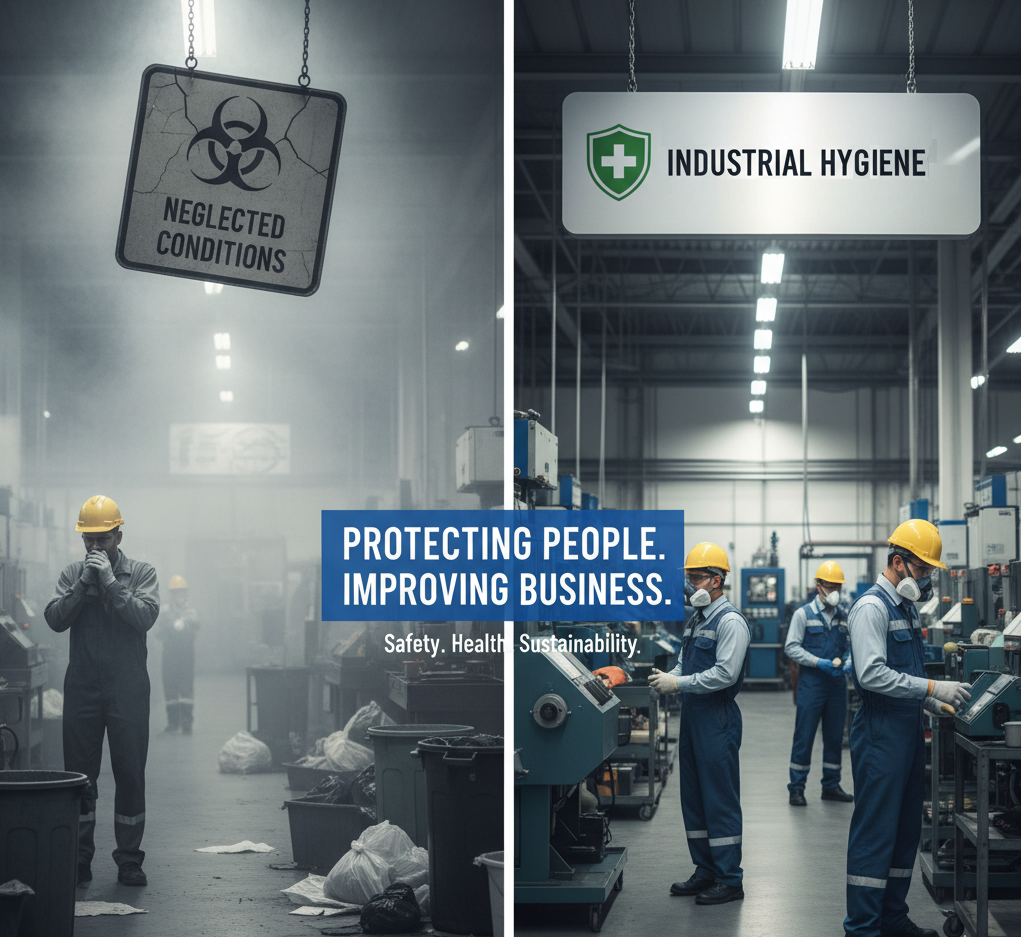
Industrial Hygiene is the science and art devoted to the anticipation, recognition, evaluation, and control of those environmental factors or stresses arising in or from the workplace, which may cause sickness, impaired health and well-being, or significant discomfort among workers or among the citizens of the community. It is executed through a structured process—worksite analysis to identify hazards, environmental monitoring and sampling to measure exposures, and evaluation of risks from various factors. Based on findings, industrial hygienists recommend engineering controls, administrative measures, or personal protective equipment to ensure a safe and healthy work environment.
Workplace Monitoring is the systematic process of assessing, measuring, and controlling environmental conditions within your operational areas to safeguard employee health, safety, and productivity.
It’s important as it ensures regulatory compliance (avoiding penalties), drastically reduces the risk of occupational diseases and accidents, and ultimately boosts operational efficiency by securing a dedicated and healthy workforce.
AEGPL is successfully carrying out work place monitoring at the projects site of its diverse clientele.